
01
Site readiness
Confirm current study availability, local ethics requirements, agreements, and authorized data-capture access.
Participating clinicians contribute routine-care data and can use structured assessment guidance to support longitudinal follow-up, while retaining full responsibility for each patient’s care.
Historical materials encouraged physicians caring for people with Fabry disease to participate, subject to sponsor, ethics, consent, and regional requirements.
Confirm current study availability, local ethics requirements, agreements, and authorized data-capture access.
Document a confirmed diagnosis and complete approved informed consent and authorization processes.
Submit relevant retrospective and baseline clinical observations through the authorized system.
Update clinical outcomes at intervals appropriate for individualized care and protocol guidance.
Use assessment recommendations as a structured reference, not as a substitute for medical judgment.
Contribute to pooled analyses designed to improve understanding of Fabry disease.
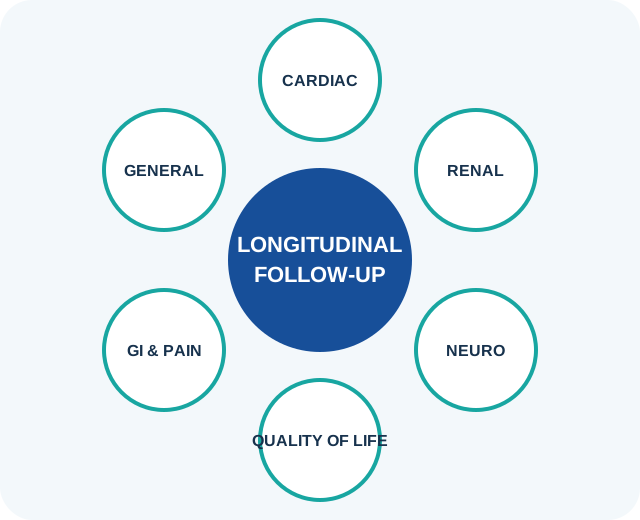
The historical recommended schedule included general history, physical examination, vital signs, genotype and enzyme information, renal measures, cardiac evaluation, neurologic and cerebrovascular history, pain, gastrointestinal symptoms, eye and skin findings, and quality-of-life measures.
Open assessment overviewThe exact timing and tests should always follow current protocol materials, local standards, individual clinical needs, and sponsor guidance.